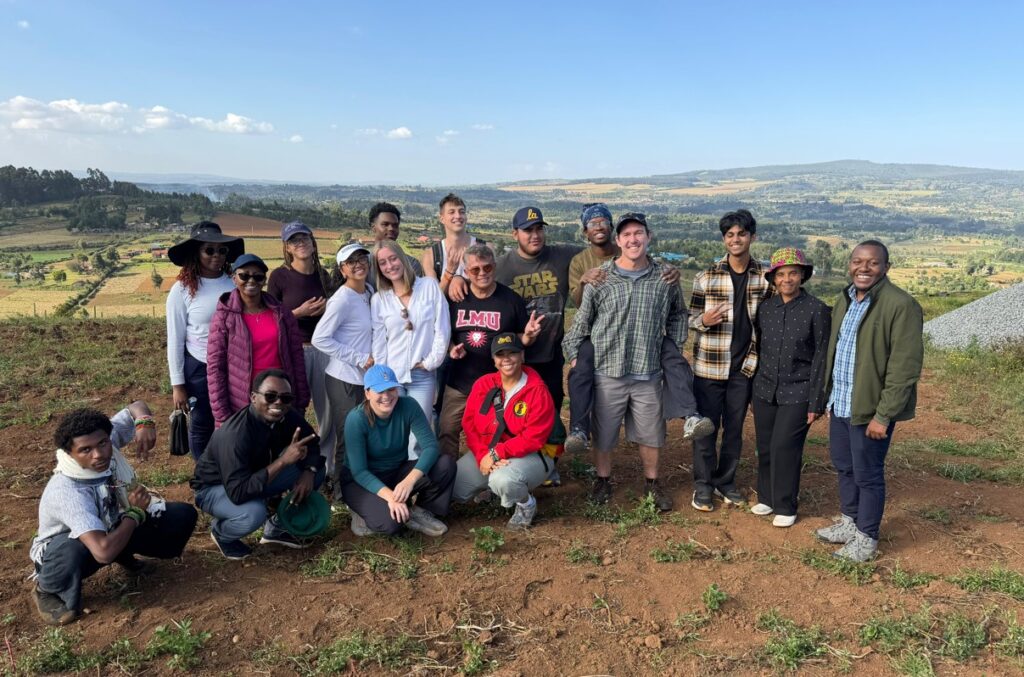
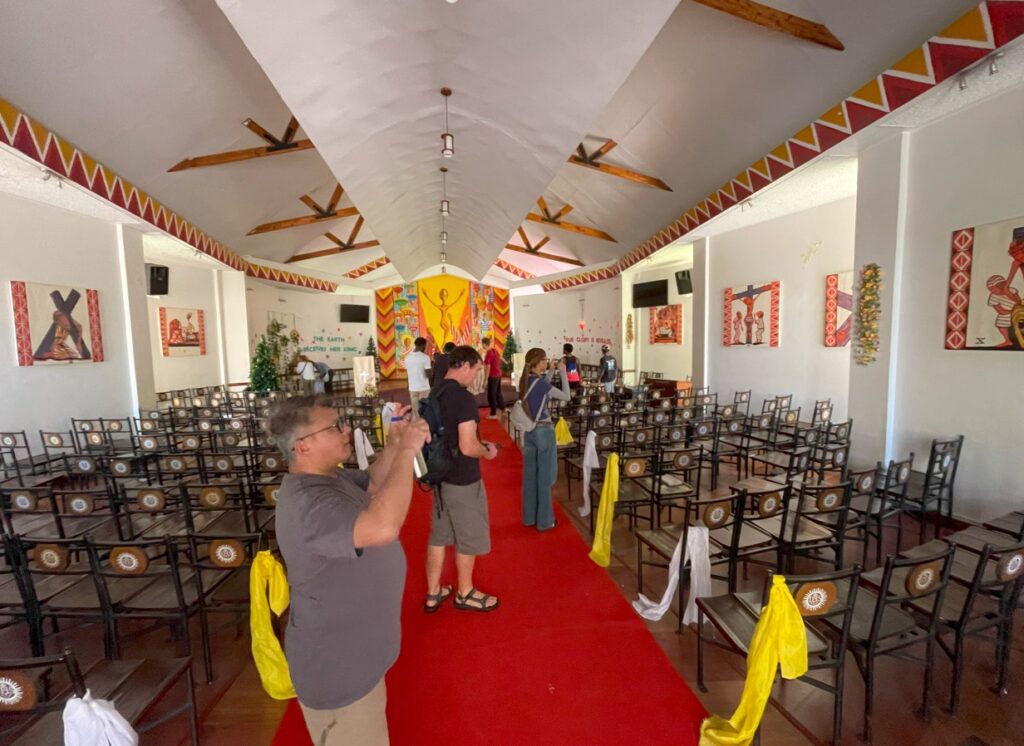
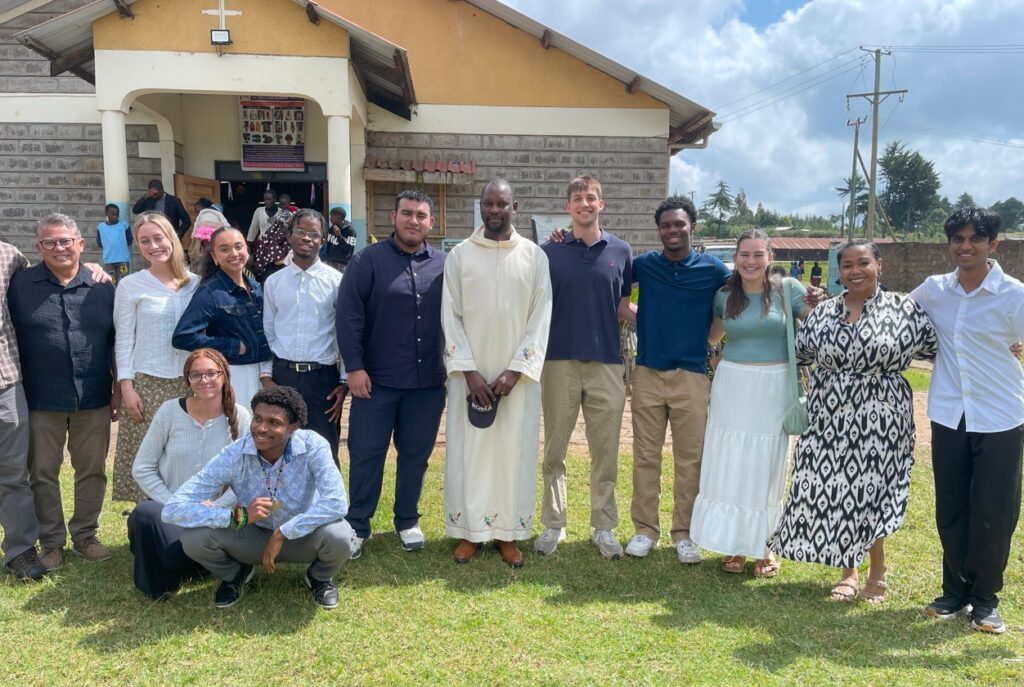
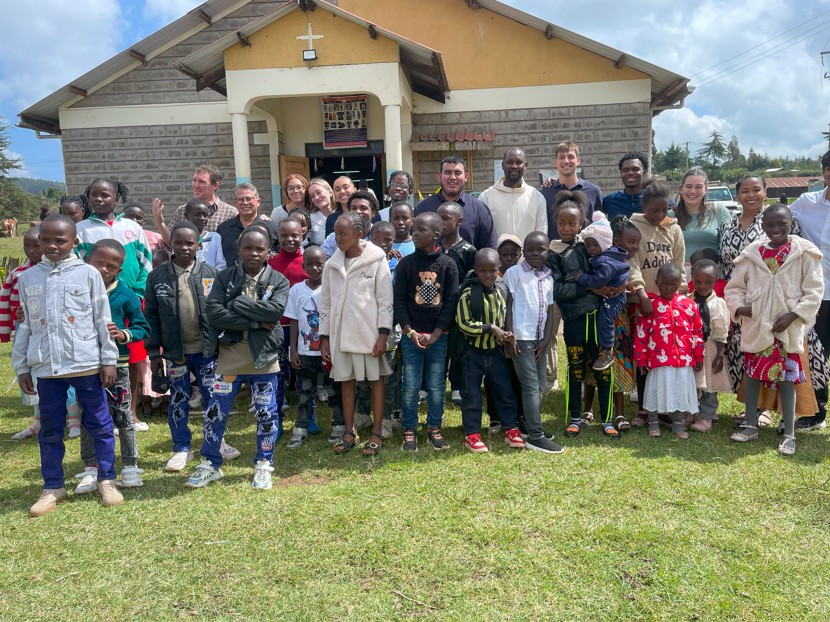
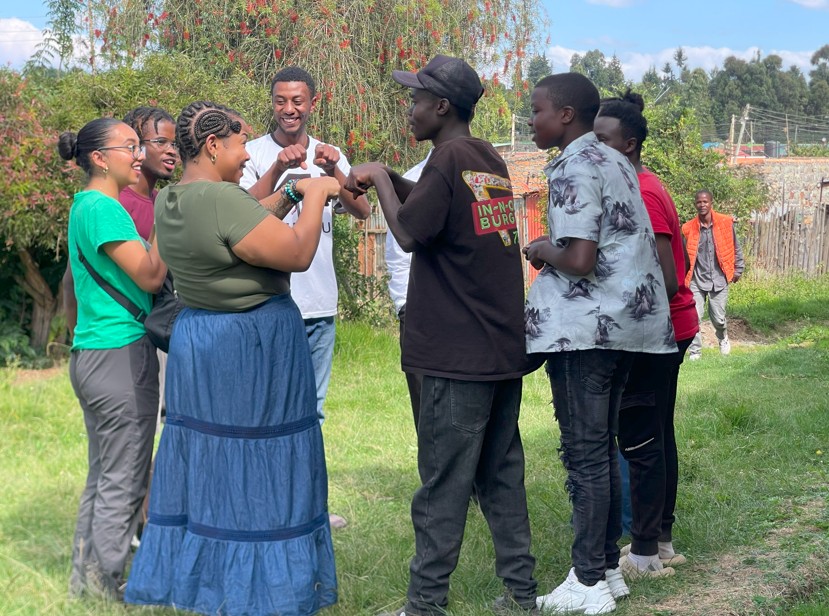
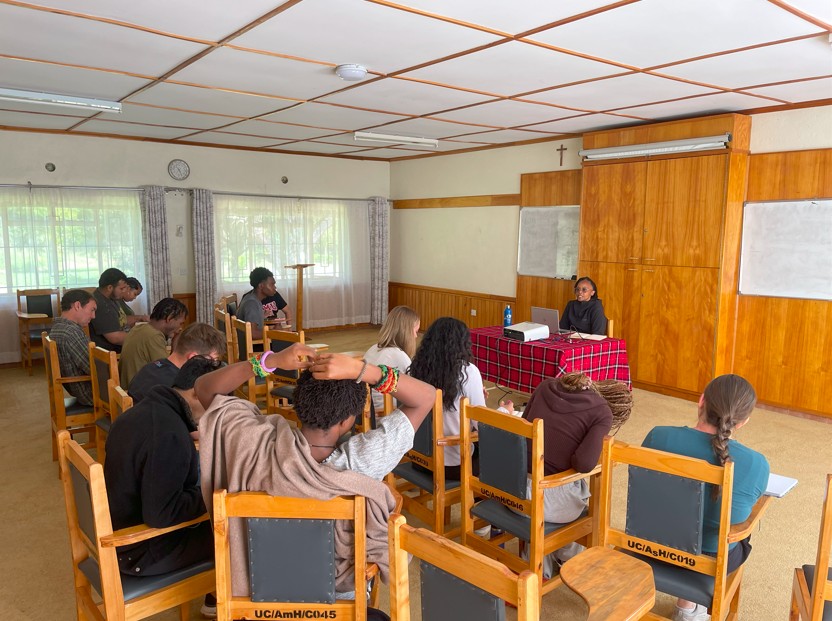
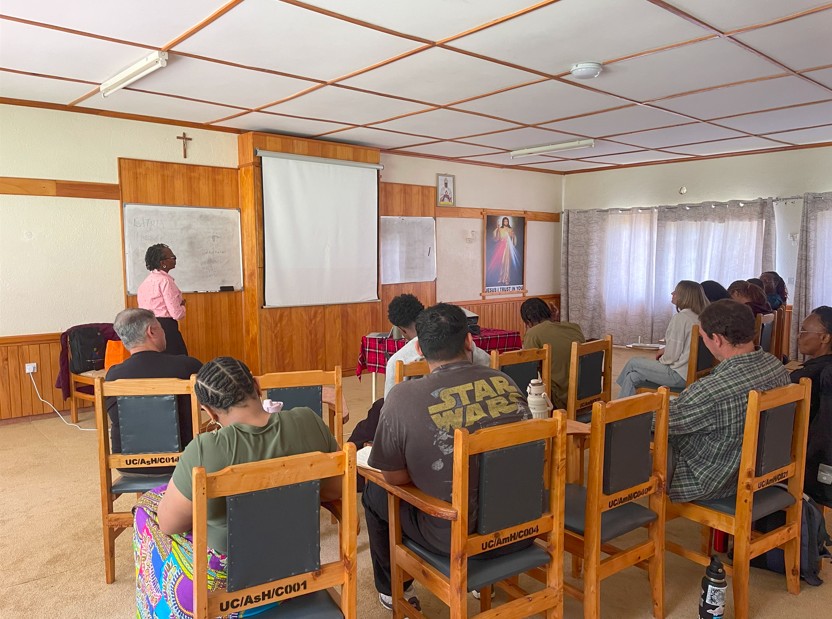
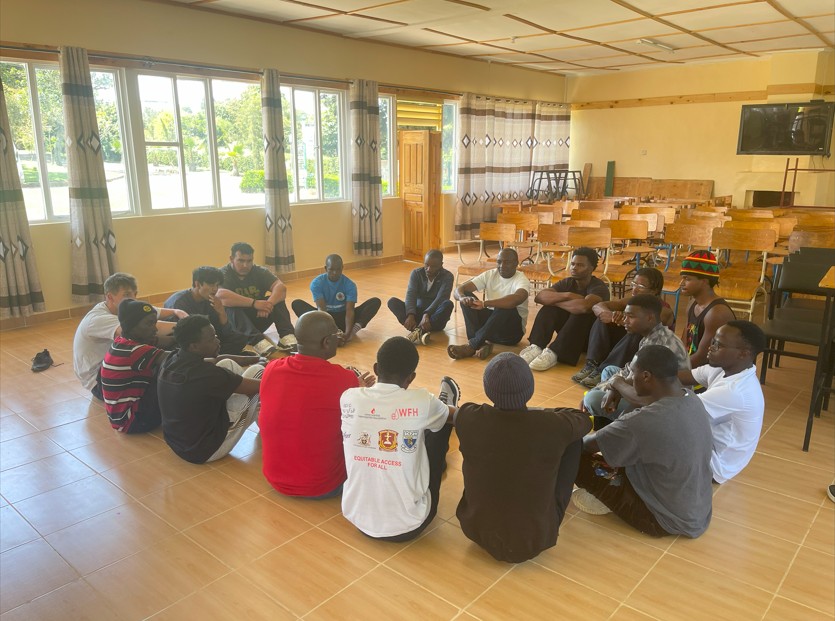
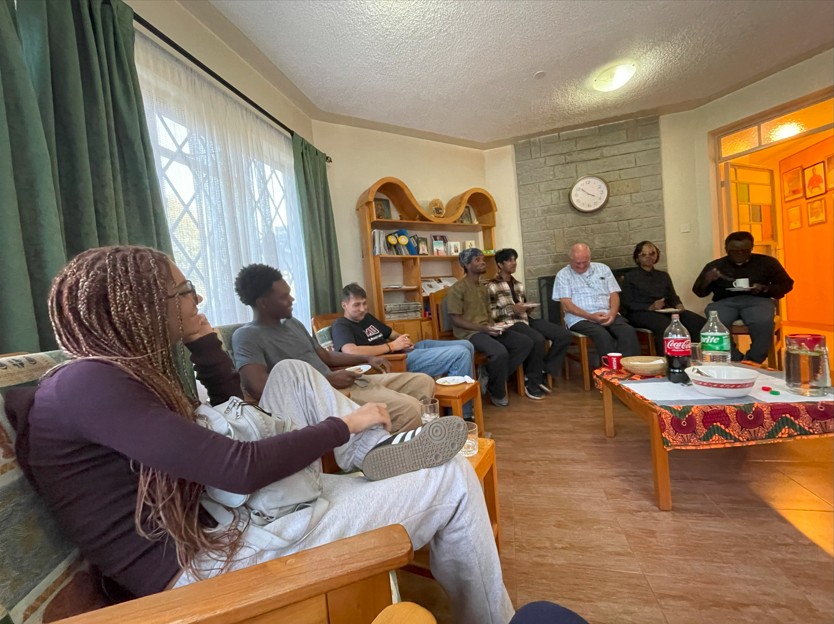
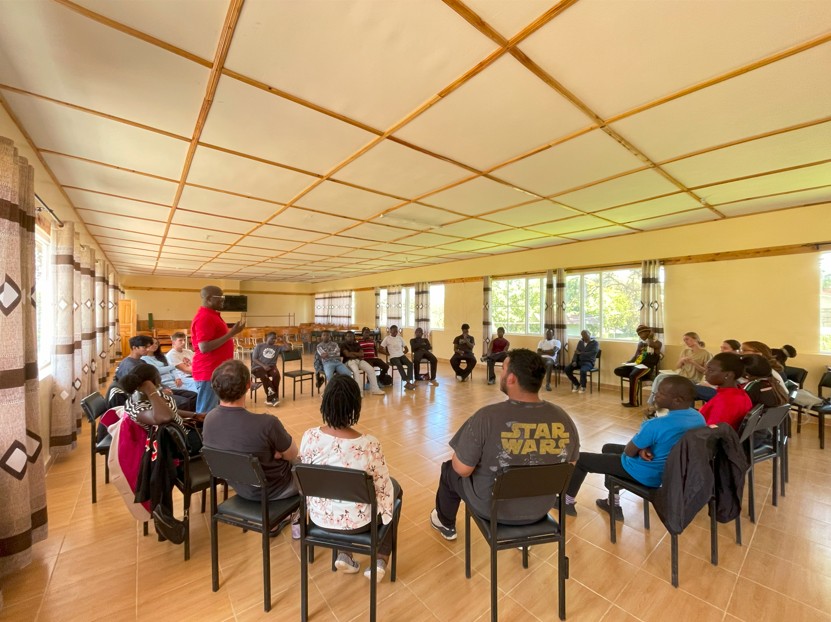
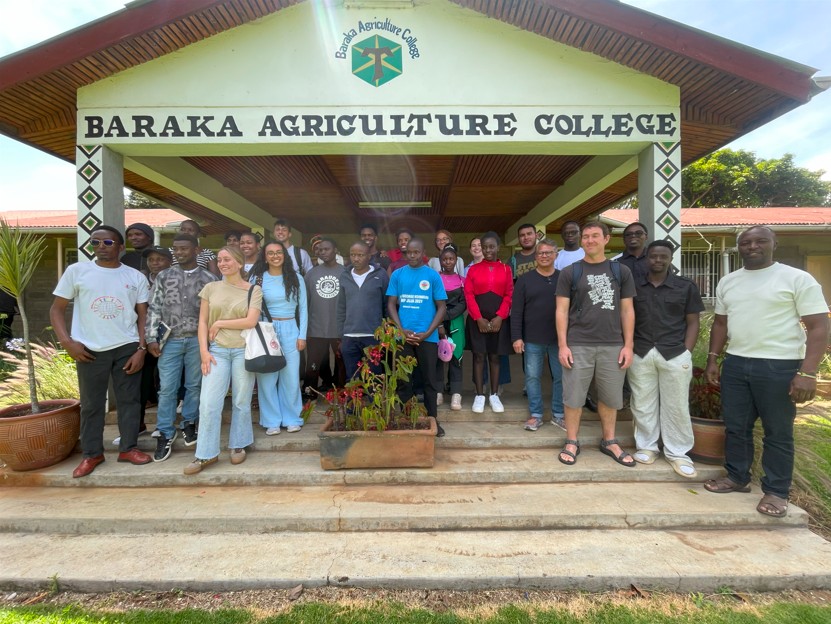
Recently, we had the privilege of hosting ten students and three mentors from Loyola Marymount University on a Reconciliation & Justice visit in Kenya, centered on The Proposed Hekima University. What follows is a reflective review written by Victor Caceres, capturing their lived experience, key learnings, and the impact of encountering reconciliation not merely as a concept, but as a practice on the ground. A few photos are also attached, offering a glimpse into the places, people, and moments that shaped this visit.
IC Reconciliation & Justice: Learning from Kenya
By: Victor Caceres
Our Immersion and Community (IC) trip to Kenya was centered on reconciliation, justice, and community-building through the work of the Jesuits in Molo and the proposed Hekima Jesuit University. These efforts began in response to the political violence and ethnic conflict that followed the 2007 uprisings, which deeply affected communities across the region.
The long-term vision of this work is not just healing past wounds, but building sustainable pathways toward peace through education, dialogue, and community partnership. Our group entered this experience hoping to learn about reconciliation in theory. We left having witnessed it in practice.
Our group was made up of Arnov, Chloe, Erika, Jaden, Jean, Julien, Sabrina, Shelby,William, and myself. We came from different majors, backgrounds, identities, and lived experiences across campus. That diversity shaped our learning in powerful ways. Each of us noticed different things, asked different questions, and connected to different moments. What united us was a shared openness to learning, listening, and being changed by the people and communities we encountered.
The journey itself set the tone. After a long 20-hour plane ride, we arrived in Kenya tired but excited. Everything felt surreal at first—the sounds of the streets, the colors of the landscape, the warmth of the people. It didn’t take long for that initial shock to turn into deep appreciation. From the very beginning, we were welcomed with generosity, curiosity, and kindness. Even when we felt like outsiders, we were never made to feel unwelcome.
One of the most meaningful experiences of the trip was visiting the site of the proposed Hekima Jesuit University. Standing on the land where future classrooms, libraries, and community spaces may one day exist made the idea of reconciliation feel tangible. This university is not just a building project—it represents a long-term investment in education, dialogue, and peacebuilding in a region that has experienced division and conflict. We learned how education can be a form of justice: creating spaces where young people from different ethnic, religious, and social backgrounds can learn together, challenge one another, and build a shared future.
Our time at Baraka Agricultural School further showed us what reconciliation looks like in everyday practice. Baraka’s mission is rooted in sustainability, food security, and community empowerment. Walking through the grounds and learning about the school’s work helped us understand how peacebuilding is not only about resolving conflict, but about meeting people’s basic needs and restoring dignity. Reconciliation is slow, relational work. It happens through shared meals, cooperative labor, education, and trust built over time.
We were also deeply moved by our visit to St. John’s Parish, where we witnessed the role faith plays in community healing. Celebrating Mass in Swahili was one of the most powerful moments of the trip. Even though many of us did not understand every word, the sense of unity was unmistakable. Worship transcended language. The songs, the rhythms, and the joy of the community reminded us that faith can be a powerful force for bringing people together—especially in places where faith communities have played a role in rebuilding after violence and division.
Beyond the educational visits, the trip gave us moments of wonder and joy that we will never forget. Visiting the thermal pools gave us space to rest, laugh, and process everything we were learning. Going on safari at Lake Nakuru felt unreal—we saw lions, rhinos, monkeys, and giraffes in their natural habitat. These moments reminded us that learning doesn’t only happen in classrooms or formal settings. Being present in a place, noticing its beauty, and sharing awe with others deepened our connection to the land and to each other.
What impacted us most, though, was the people of Kenya themselves. We were deeply touched by their stories, their resilience, their faith, their customs, and their way of life. Despite the history of violence and hardship that many communities have endured, we encountered hospitality at every turn. The food, the laughter, the conversations, and the care shown to us left a lasting impression. We were reminded that reconciliation is not only about addressing pain—it is also about celebrating culture, honoring joy, and building relationships rooted in mutual respect. Throughout the trip, we were constantly invited to reflect on what reconciliation means in our own lives. Reconciliation is not just a concept for post-conflict societies. It is something we practice in our friendships, families, classrooms, and communities. It asks us to listen more deeply, to hold space for stories different from our own, and to take responsibility for how we participate in systems of harm or healing. Learning about the Jesuits’ work in Molo challenged us to think about how peace is built slowly, intentionally, and relationally.
As we returned home, we carried more than memories and photos—we carried a responsibility. A responsibility to practice reconciliation in our own contexts. A responsibility to notice where division exists on our campus and in our communities. And a responsibility to remember that justice is not abstract. It lives in education, in access to resources, in hospitality, and in everyday acts of care.
Our IC Reconciliation & Justice trip to Kenya was, in many ways, a once-in-a-lifetime experience. It stretched us, challenged us, and deeply moved us. Apart from the long plane ride, every part of the journey reminded us how powerful it is to step outside our comfort zones and learn from communities whose stories are different from our own. We left Kenya with gratitude—for the people who welcomed us, for the lessons we learned, and for the reminder that reconciliation is possible when people choose relationship over division.