On 20th July 2025, Sunday, at 5:10 p.m., we arrived safely at Ukerewe Island port as a class of medical doctor students. The journey took us almost one and a half hours from Mwanza port to Ukerewe Island. The weather, food, and warm welcome from the indigenous people were delightful and made us feel at home.
Aim:To assess the prevalence of nutritional status and associated factors among children under five years in Ukerewe District, Mwanza, Tanzania.
Nutrition may be defined as the science of food and its relationship to health. It is primarily concerned with the role of nutrients in body growth, development, and maintenance. Dietetics is the practical application of the principles of nutrition; it includes planning meals for both the healthy and the sick. Therefore, good nutrition means maintaining a nutritional status that enables us to grow well and enjoy good health.
At the Field: We were assigned to visit different households in the community and health centers in various areas such as Nansion, Nakatunguru, Murutungulu, Kagera, Bukanda, Bukongo, Mukituntu, Namagondo, and Kakerege. We sought to understand how the community perceived the importance of good nutrition for their children’s health, including exclusive breastfeeding, food preparation for children, and how often they received nutrition education.
While offering education, we also took external measurements of the youngest child under five found in each household. These measurements included:
Height
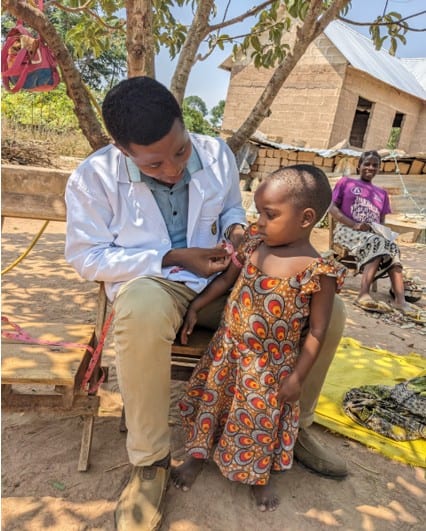
MUAC (Mid-Upper Arm Circumference): measured at the midpoint between the shoulder tip and the elbow tip on the left arm. MUAC is a proxy measure of nutrient reserves in muscle and fat, unaffected by pregnancy and independent of height.
Head circumference: useful in assessing chronic nutritional problems in children under five, as the brain grows rapidly during the first two years of life.
Most children were found to be in good health according to the external measurements we took. This implies that most under-five children are at low risk of developing malnutrition. It also shows that caregivers and parents in Ukerewe Island are aware of and practice good nutrition education.
Figure 1 Sch. Prosper Mhanila measuring upper arm circumference of child under five (normal range 13.5 and above)
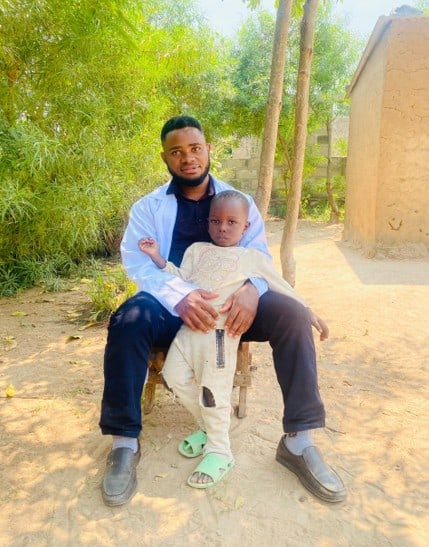
Figure 2 Sch Chimango Laus posse with a child after offering nutrition education to the care giver.
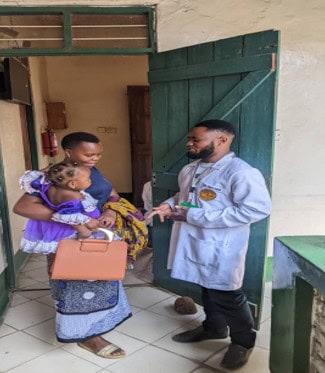
Figure 3 Sch Chimango Laus giving education to the one of the care giver on importance of good nutritious food to use that can strength health and improve the development growth of child.