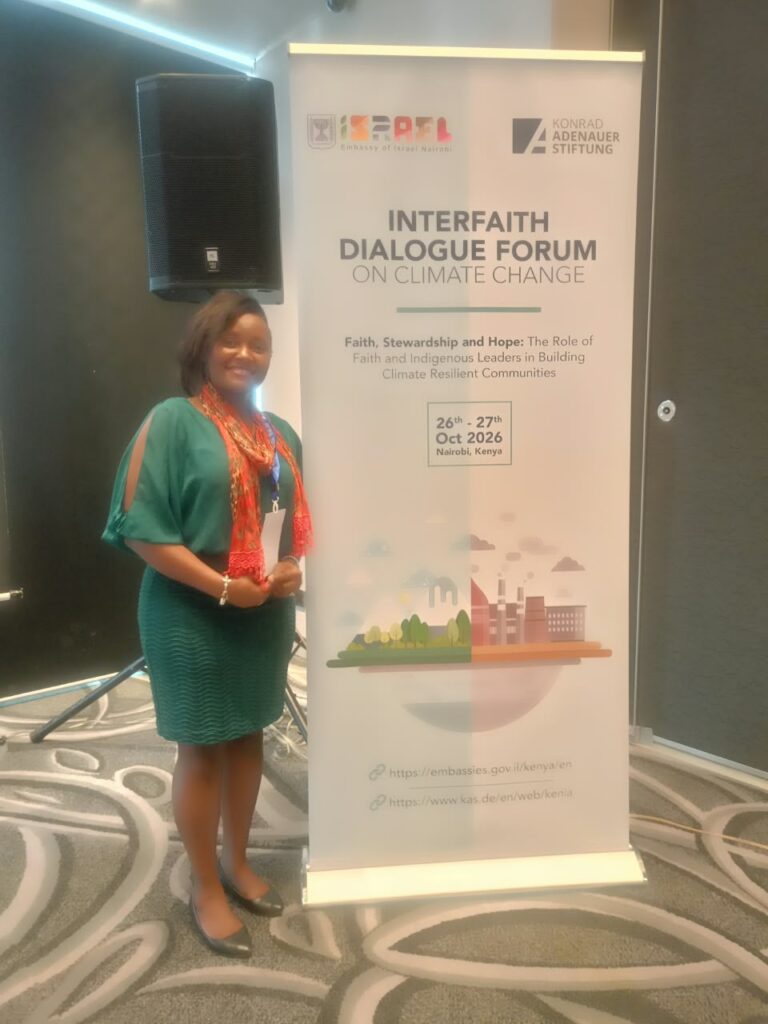
Climate action needs more than policy. It needs values, trusted leadership, and communities empowered to act.
What happens when faith, indigenous wisdom, and climate science come together to shape a more resilient future?
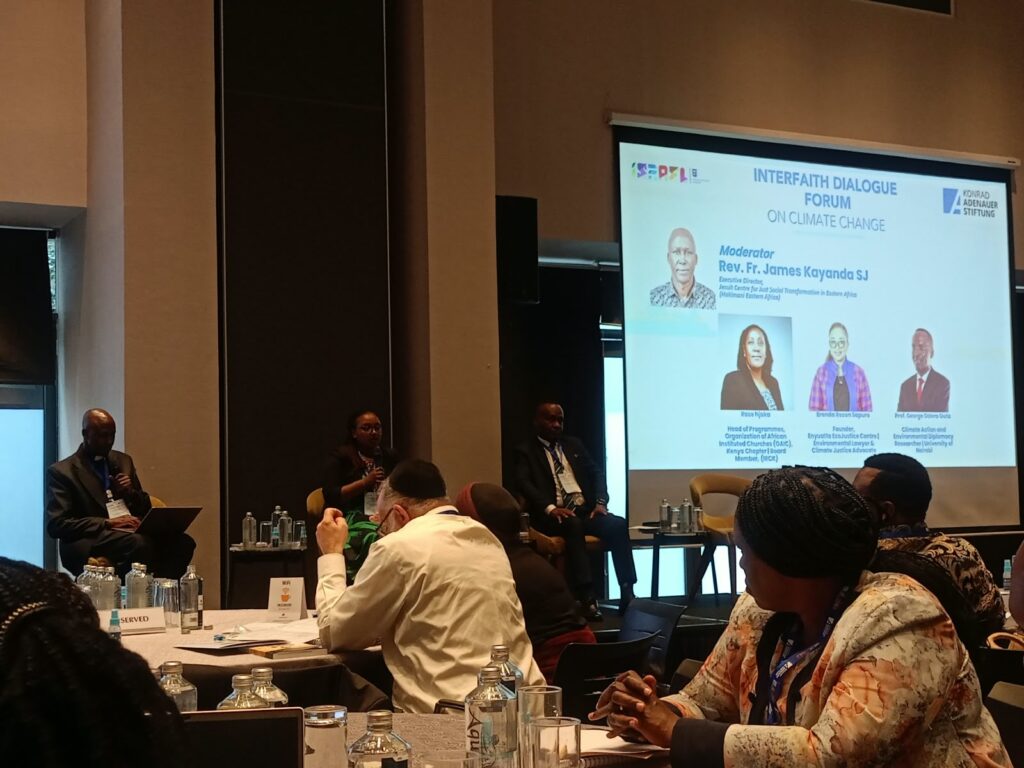
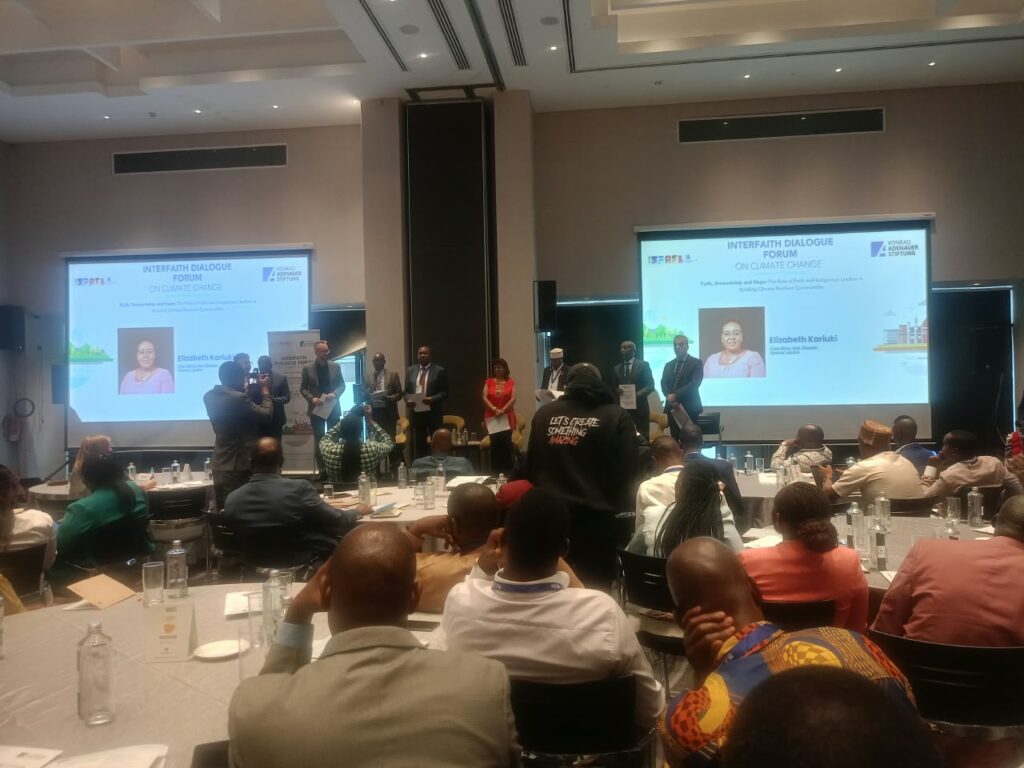
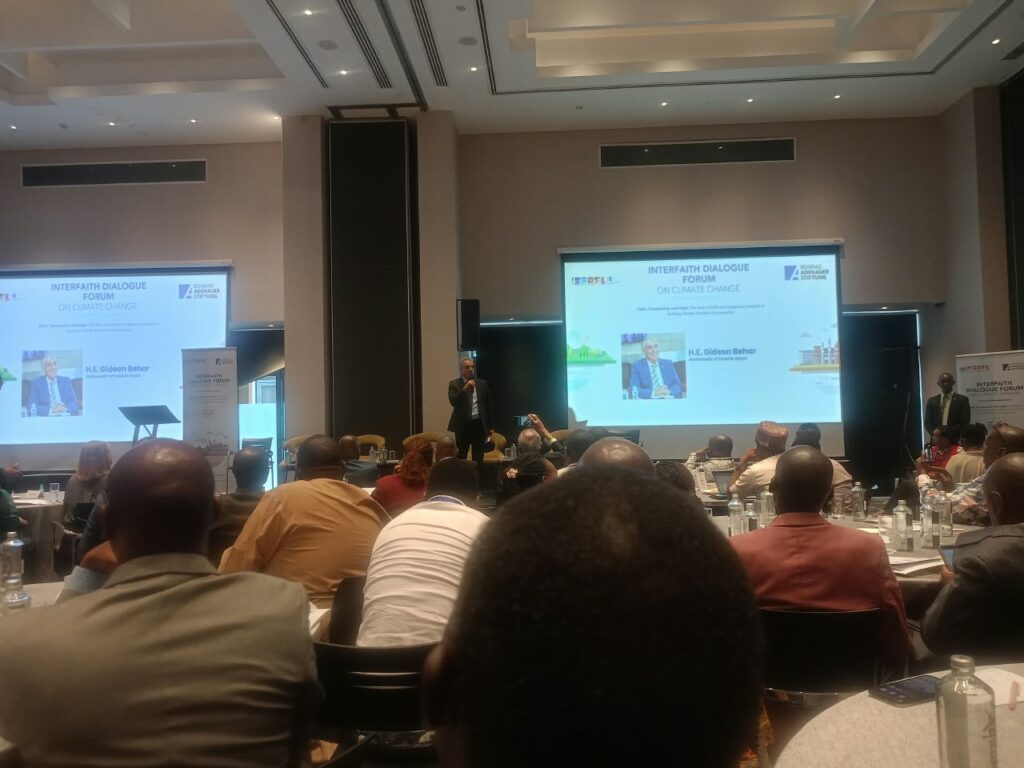
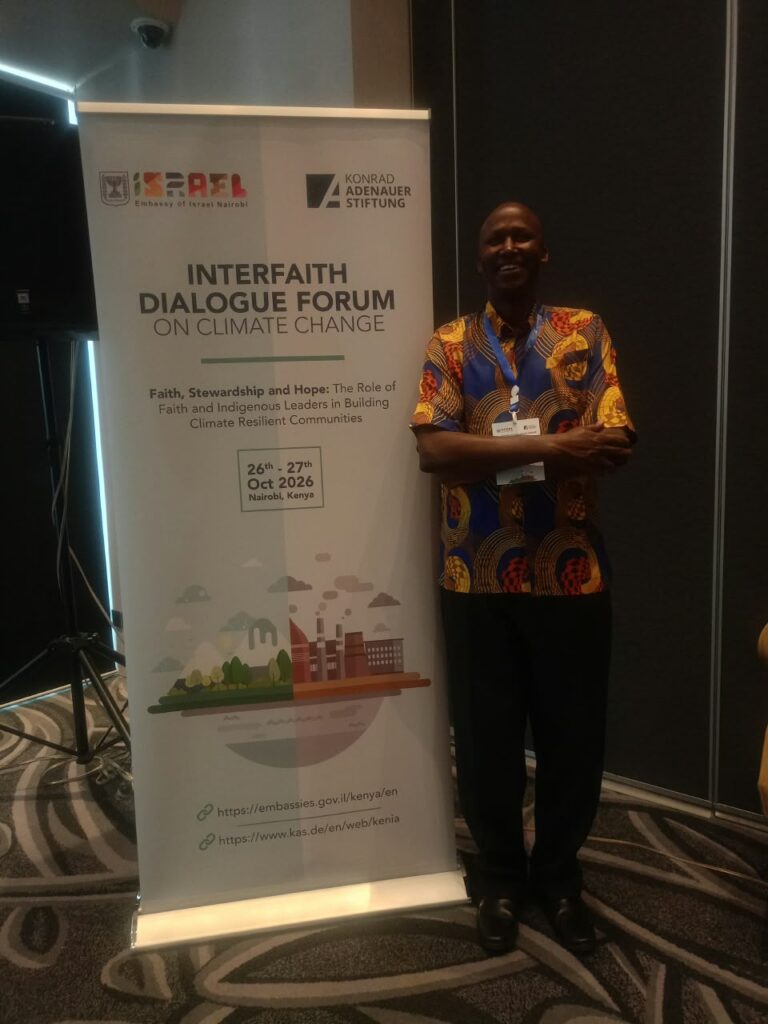
That is the question at the heart of the Faith, Stewardship and Hope Forum, took place on 26–27 October at Trademark Hotel, Nairobi, jointly organized by the Embassy of Israel in Kenya and Konrad-Adenauer-Stiftung (KAS).
Hakimani Eastern Africa participated in this important dialogue, with its Executive Director facilitating and moderating conversations on how faith and indigenous leadership can translate environmental responsibility into meaningful climate action.
For Hakimani, this conversation goes beyond environmental awareness. It speaks to a fundamental question of integral ecology: how do we transform our relationship with creation while protecting the dignity, livelihoods, and future of vulnerable communities?
Faith institutions are not merely voices of moral authority. They are deeply embedded in communities, shaping values, influencing behavior, mobilizing people, and sustaining collective action. Indigenous communities, meanwhile, hold ecological knowledge built through generations of living with and learning from the land.
Bringing these strengths together with climate science, sound policy, and institutional partnerships offers an opportunity to move from fragmented interventions towards locally grounded, sustainable solutions.
But dialogue alone is not enough.
The real measure of this forum will be what follows: stronger partnerships, concrete institutional commitments, community-led environmental initiatives, and accountability for sustaining action beyond the conference.
As conversations unfold around values, responsibility, action, and continuity, one principle must remain central: communities should not simply be recipients of climate interventions; they must be recognized as knowledge holders, decision-makers, and co-creators of resilience.
At Hakimani Eastern Africa, we believe that integral human development and climate justice are inseparable. Building climate-resilient communities requires us to connect ecological stewardship with social justice, intergenerational responsibility, indigenous knowledge, and the values that inspire people to care for our common home.
The challenge is no longer simply to convince people that the climate crisis matters. It is to build the partnerships and structures that enable them to act—and to sustain that action.
As faith leaders, indigenous communities, policymakers, and climate practitioners come together, one question deserves our attention: How can we ensure that the commitments made in rooms like this translate into lasting change in the communities most affected by climate change?