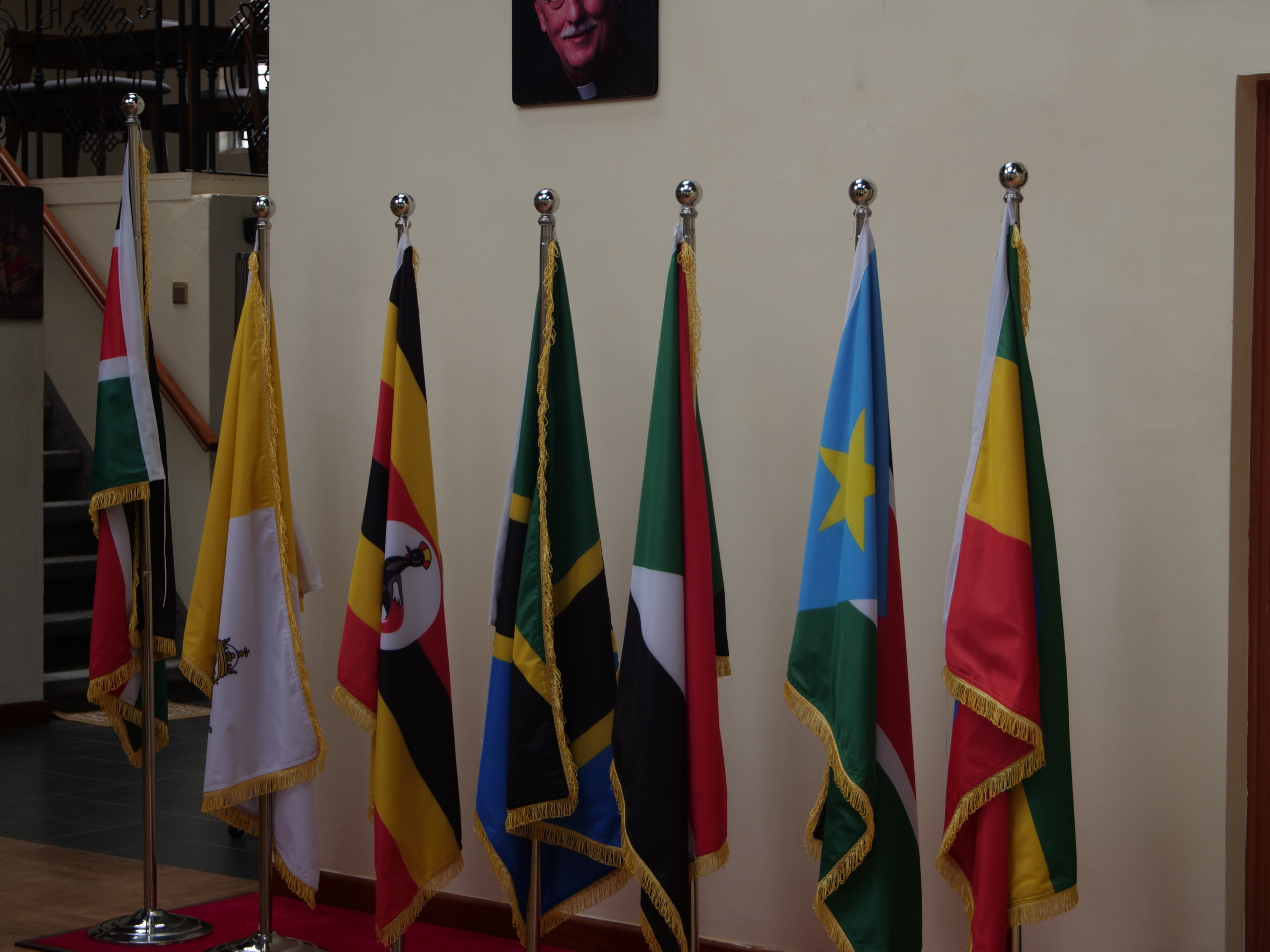
Jesuits are men who belong to a Roman Catholic religious order called the Society of Jesus, established in 1540 by St. Ignatius of Loyola. It is the largest Catholic religious order in the world with over 18, 500 members. We serve in 127 nations on 6 continents and are organized into administrative regions called Provinces. The Society of Jesus is involved in a number of ministries including schools and universities, retreat centres, social justice, research agencies, refugee work and media institutions. Our norm is to find where God will best be served and where people will best be helped. As we say, “we find God in all things.”
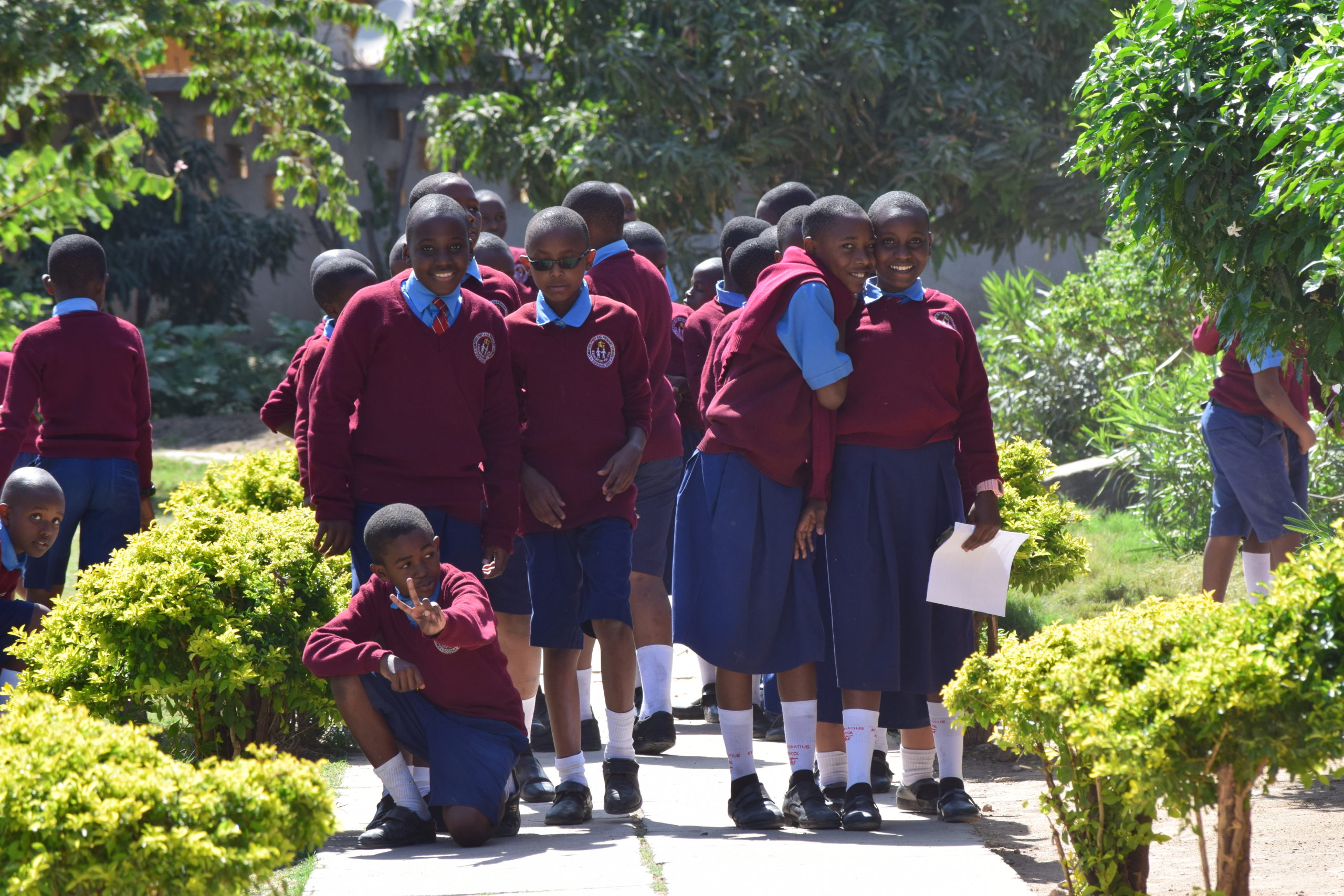
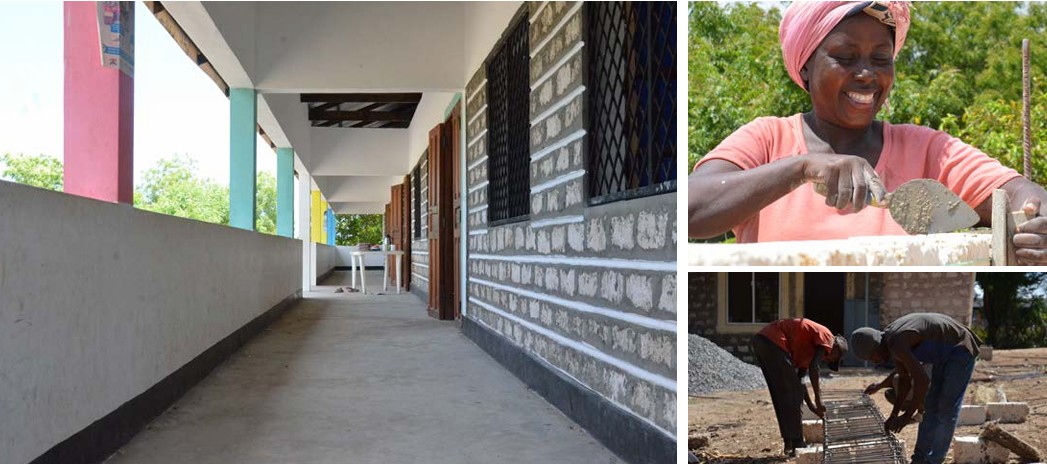
Our most important mission in Eastern Africa is to change individuals and societies through education. We are especially dedicated to the poorest of the poor. Your gift to our schools will ensure that children receive a life-changing education.
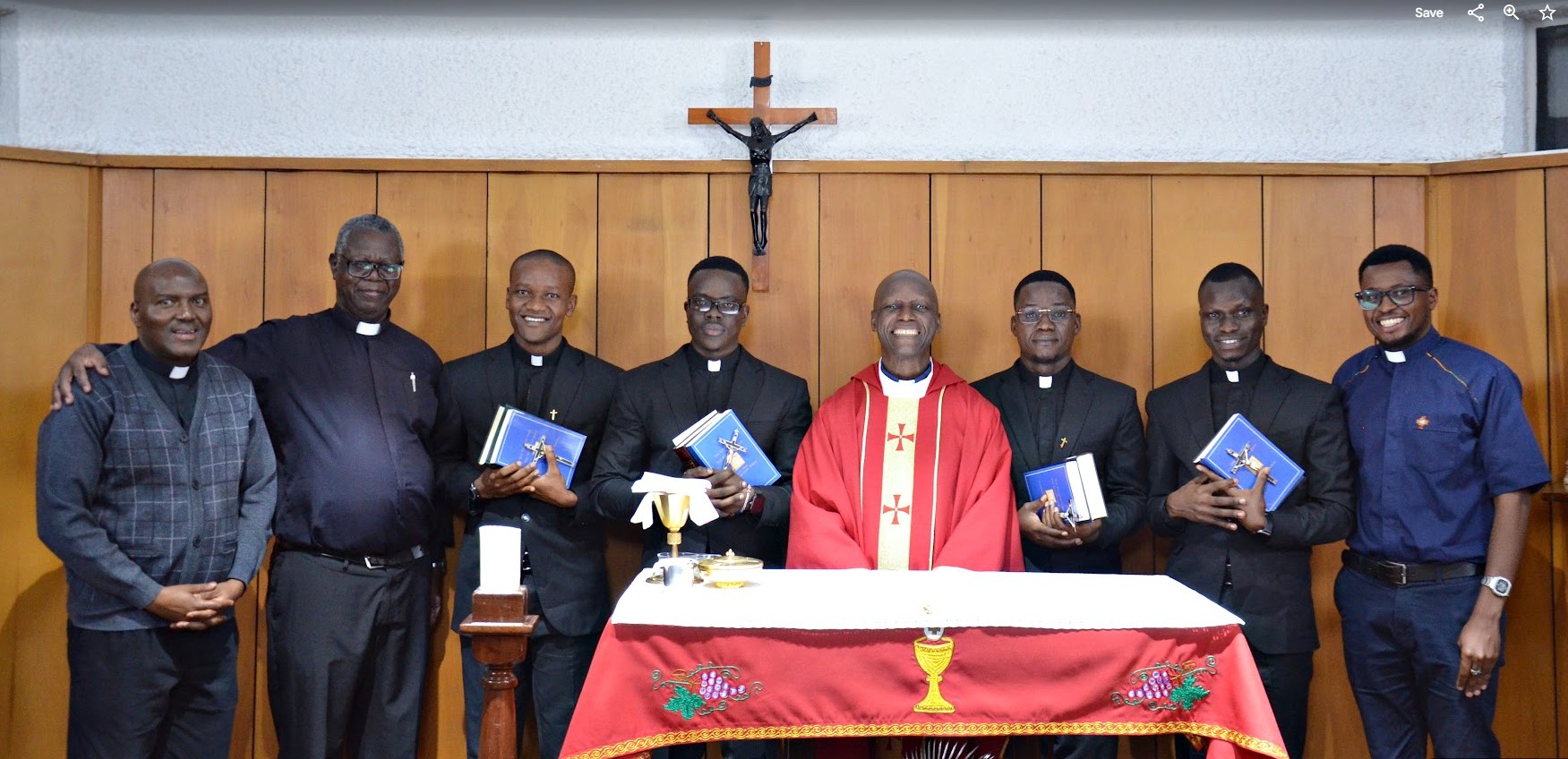
Formation
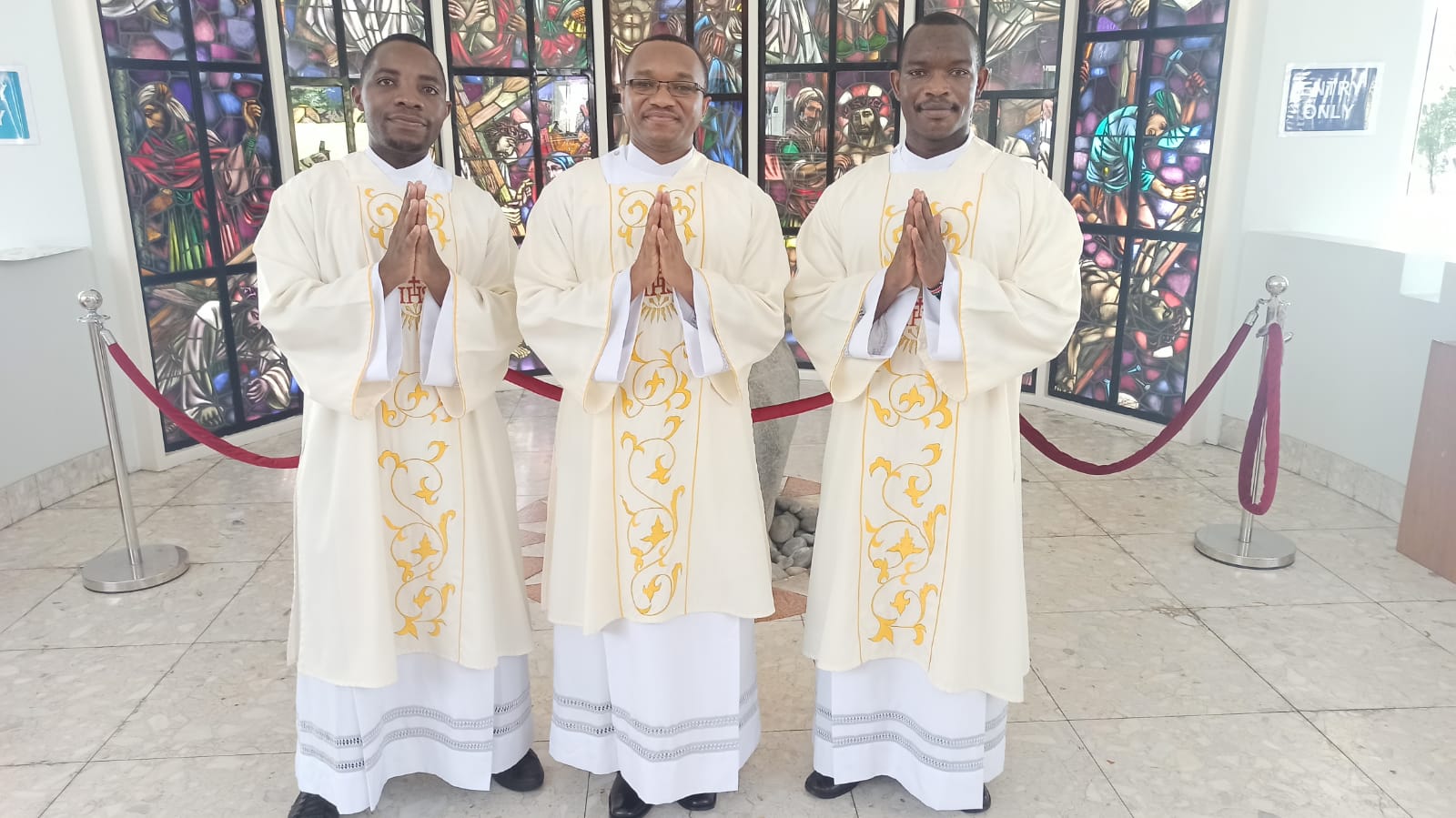
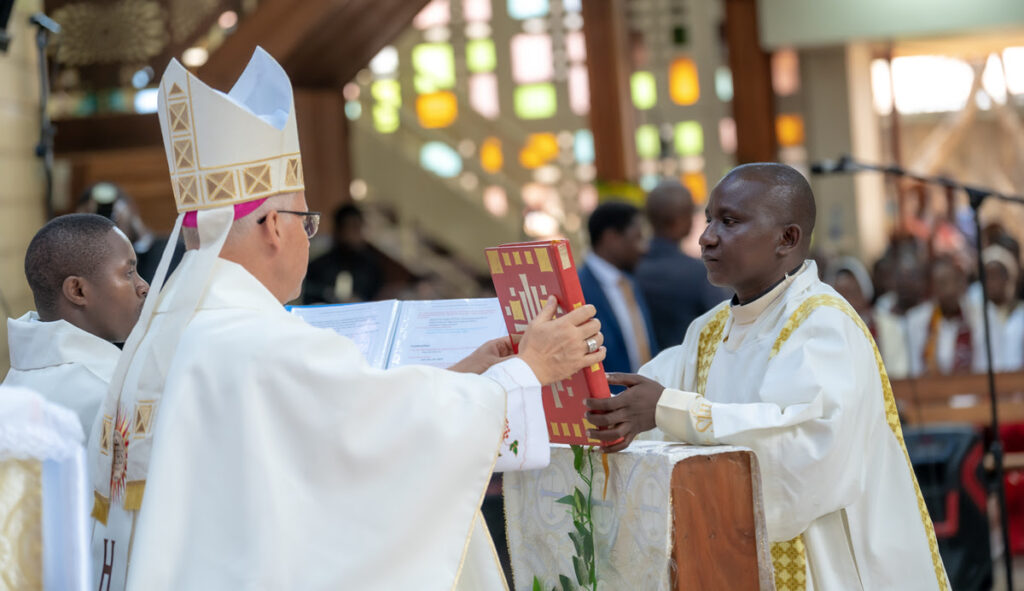
Jesuits spend more than 10 years in training so that they can serve in a variety of ways – as educators, pastors, spiritual directors, social workers, scientists, and artists. On average it takes 10 years and about $13,000 a year to train a Jesuit. Please support us to train more men who will set the world on fire.
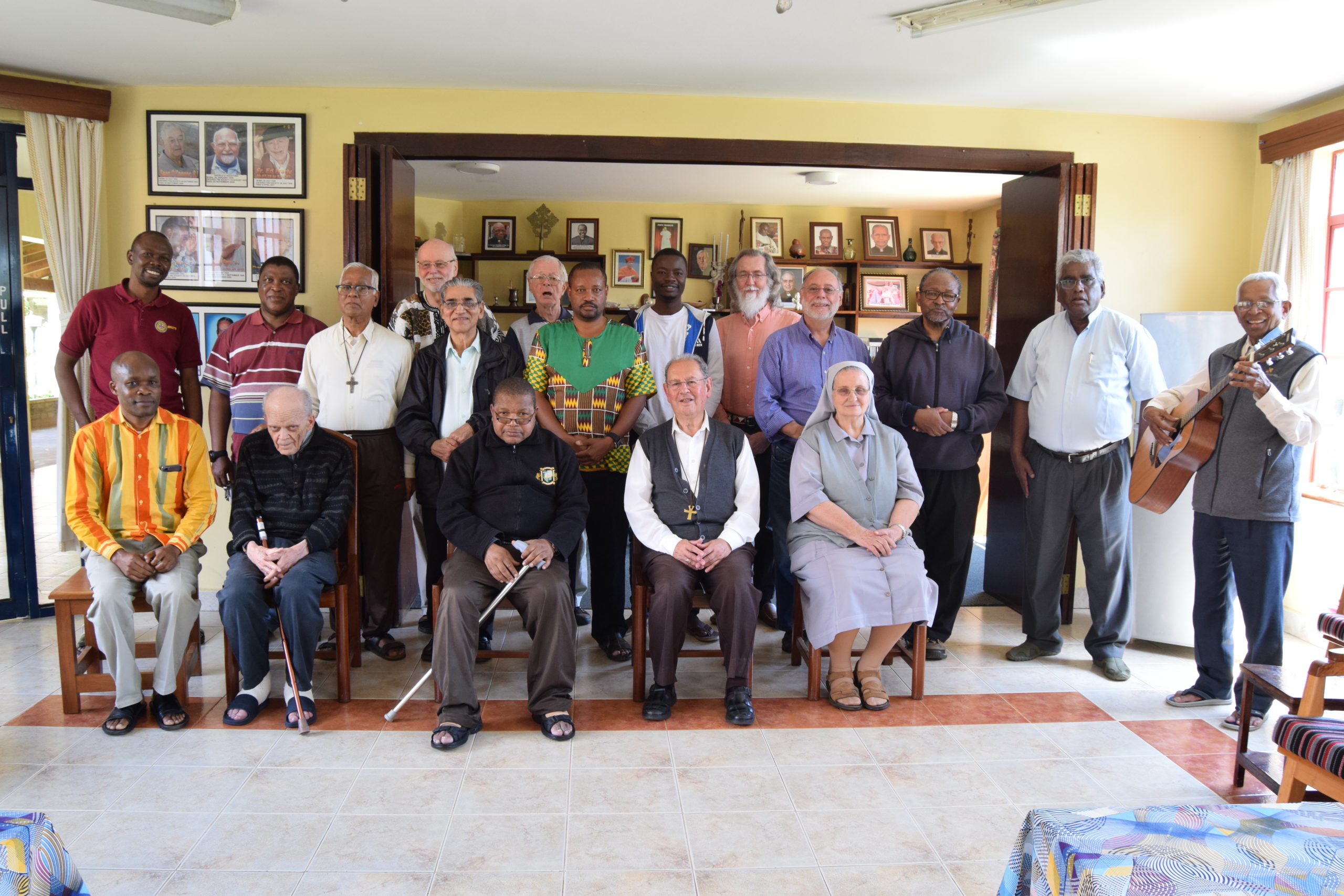
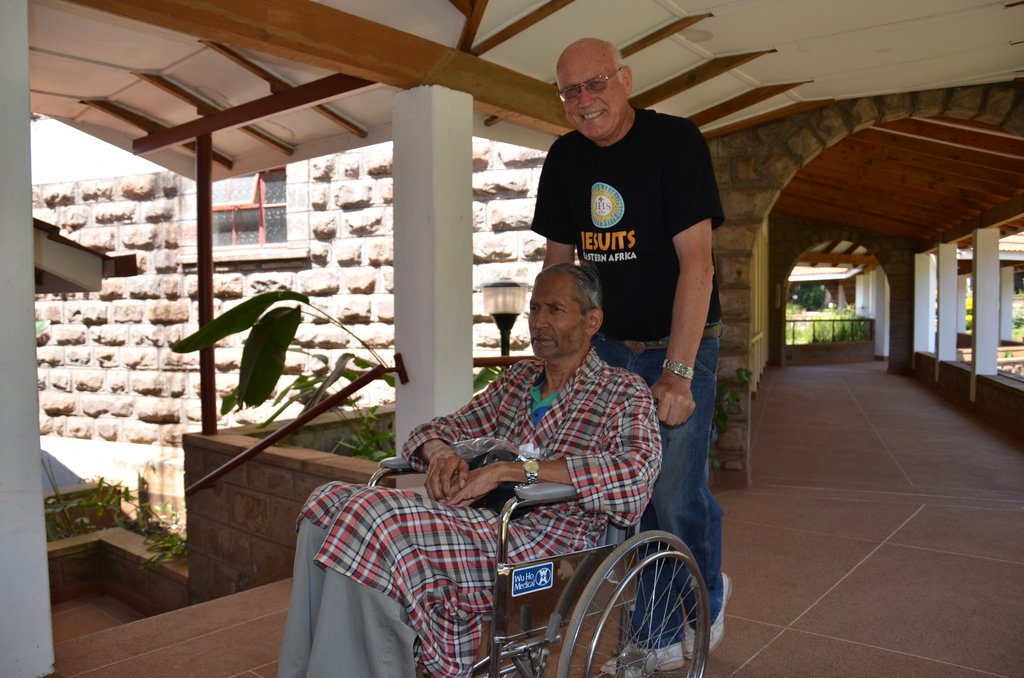
Elderly
After many years of selfless service to God and humankind, Jesuits retire to a community where they can receive care administered by medical professionals. This care is made possible by the generosity of many people who were touched by the lives and ministry of the Jesuits.
As we come to the close of another grace-filled year, I am reminded that our mission is beautifully woven from many threads—service, generosity, resilience and the unwavering spirit of companionship. This edition of the Shukran Newsletter offers a glimpse into those threads….
Jesuits have been in Africa since the founding of their order, yet their history there remains poorly researched. Although scholars have begun to focus on
The new book “Elections, violence and Transitional justice in Africa” by Fr. Elias Opongo and Tim Murthi interrogates the potential intersection between transitional justice and
My name is Owiyo Ronald Odhiambo, and I am a Jesuit Scholastic from the Eastern Africa Province. I was born and raised in Sero Village, Homa Bay County, Kenya, in a Catholic family of twelve. I am the second-born among ten siblings, and our home parish is St. Camillus De Lellis, Rodi Parish. It was in this context, surrounded by family and community faith, that the seed of my vocation was planted……Read More